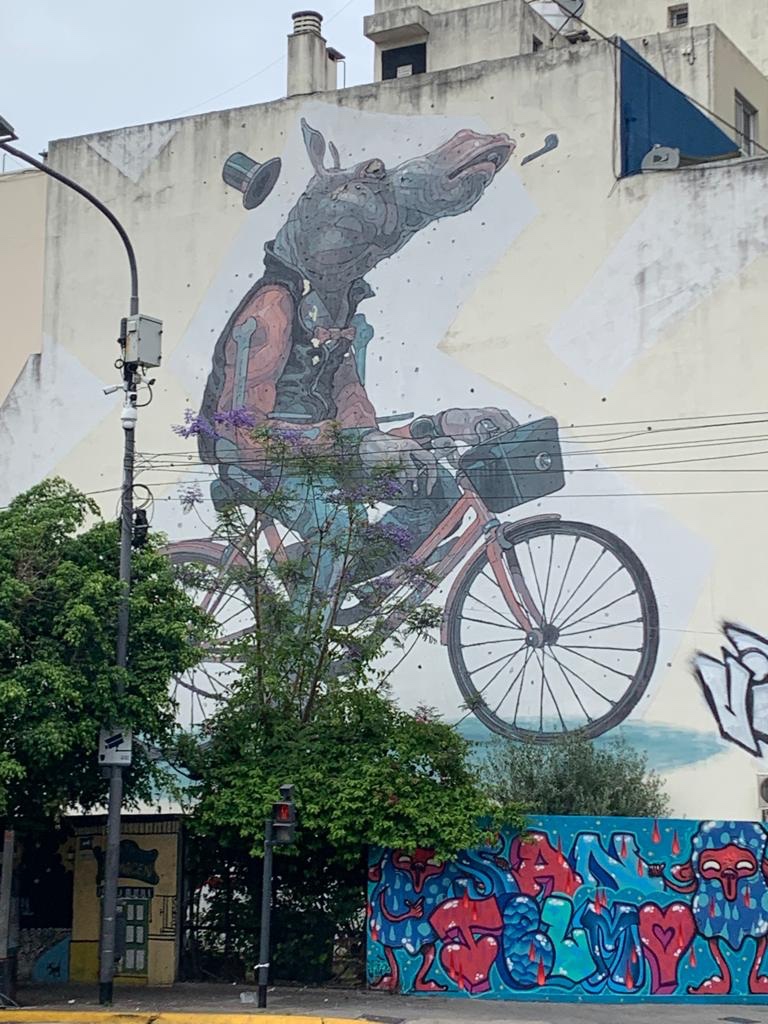
After Six delicious weeks of Spanish lessons, of long, luxurious lunches in our favourite restaurant; of navigating the streets on our blue buenos bicycles; of blooming jacaranda trees; of snapping photos of every tree or any piece of street art that catches my eye; of afternoon siestas; of expresso coffees in Pertuti café and of breakfasts in El Federal bar it’s time to leave Buenos Aires.

Neither Sylvie or I want to leave. We are just getting settled here. Not only is our Spanish good enough to actually converse with people but we are now finding friendly faces and conversations in places we have frequented often. So it’s with heavy hearts that we are embarking on our next month of travels in Argentina.
Trees in Buenos Aires


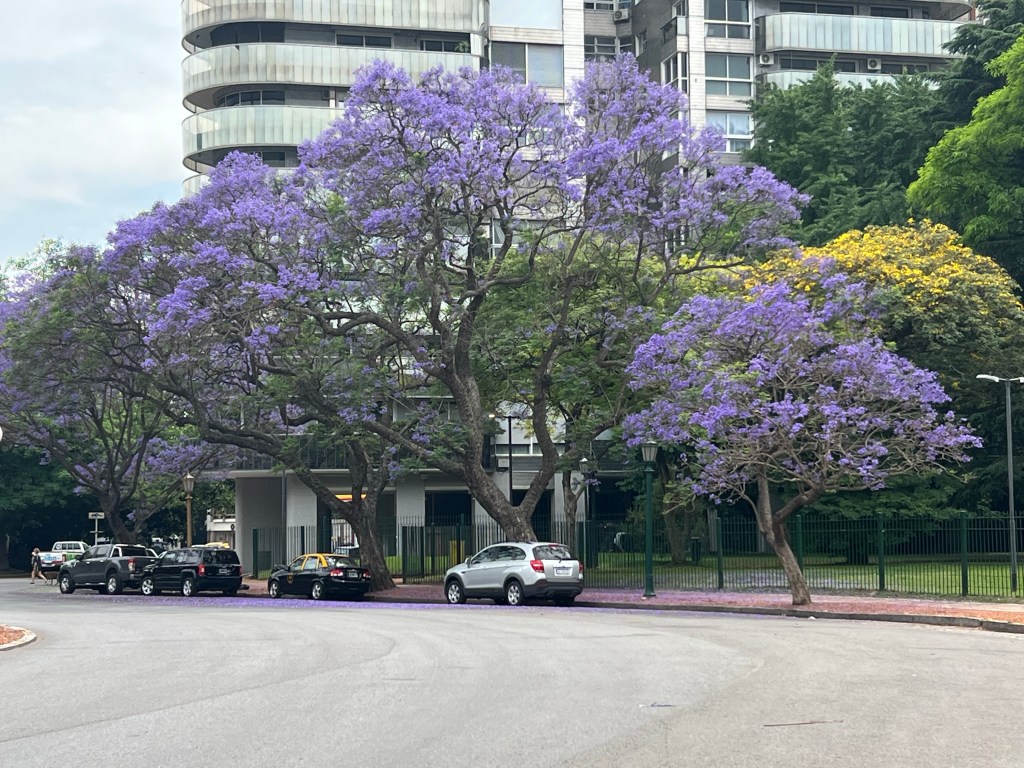
I have been spending far too much time noticing trees these last few weeks. I am embarrassed to say I paid less attention to ancient forests in Australia than I have to individual trees here. It’s the contrast that attracts me, the man-made jungle rendered more bearable by the small remnants of nature. Trees are more vital here. The oxygen/Co2 exchange is more in need, even if it’s never going to be enough to counterbalance the ugly exhausts of the far too many cars and buses. They also create much needed shade from sun and above all they add beauty, colour and elegance to the city.
La Tipa , Rose wood trees in English, are the most common. They are from the north of Argentina planted everywhere here by a visionary mayor. They have curvy branches and a strange propensity to spit water down from the leaves during spring months.
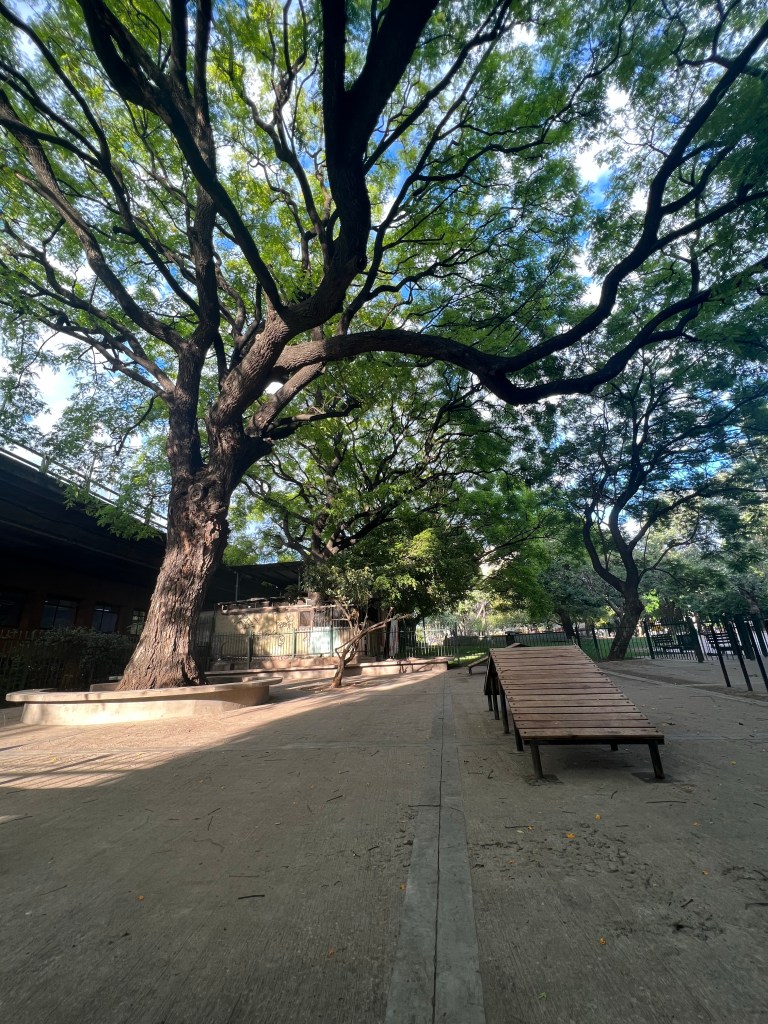
On my way to the gym one early morning last week, I noticed properly for the first time a Tipa that stood proudly in the corner of a small park. On one border of the park is the fly-over that carries fast moving traffic constantly over this part of town. The tree, prevented from growing over the road has stretched gravity defying branches in the opposite direction creating shade for a large part of the park.

Spanish lessons

Every day from 930 to 1330 for last 6 weeks we have been climbing the 4 flights of stairs of the beautiful Accademia Buenos Aires in the centre of the city to learn Spanish. The school is on a side street behind la Plaza del Mayo and most day’s classes were accompanied by the chanting and drumming from that day’s demonstration. There are a lot of demonstrations in Buenos Aires!
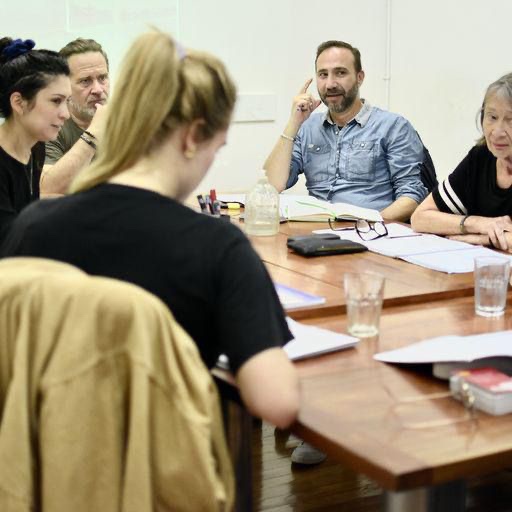
Learning a language has been a great way to get out of my comfort zone. Sitting in classes of different nationalities as well as different ages : school kids to retirees.

Cycling in Buenos Aires
This has been one of my favourite things to do in the city. Select a destination in google maps, put in my ear buds and follow the instructions from the nice lady from google. When I don’t like a street I would just take off in roughly the right direction and let google find another route.

There are a lot of bike lanes here but they are quite narrow and cyclist must share them with:
- low hanging branches heavy with the new weight of spring leaves which force cyclist to duck as they pass underneath;
- men pushing trolleys of rubbish taken from the city’s bins.
- dogs sleeping on the bike tracks under the shade of the fore mentioned branches.
One morning last week I left early to cycle to the Jardin Japones. It was 28 C that morning, I could feel areas of perspiration as my shirt clung to my body, my hair caught by the wind and the cool breeze on my face as I cycled through busy streets.
At traffic lights I avoided the reflection of myself. I knew from painful experience that the youth and freedom I was feeling wouldn’t be mirrored in the grimy shop windows, instead I would find a perspiring, middle-aged man on a very small and old bike.
The streets are all one way. The cross roads are generally not controlled by traffic lights but by common sense rules and the laws of the jungle. The fast moving busses are the lions and stop for no one, cruising through the crossroads with the moral conviction that they have a duty to deliver their passengers quickly to a destination. This coupled with the fact that only collision with another bus could inflict any pain.
Bicycles are the bottom of the food chain, even pedestrians are going to cause more problems for a cyclist than vice versa.
At this time of the morning concierges across Buenos Aires are outside the front doors of their buildings meticulously hosing the pavement. It’s true that a city this dusty needs to be constantly cleaned but it struck me it is also a way of watching the comings and going of the building. Conversation pieces, I imagined, for chats with fellow concierges over expressos in small bars in the midmorning.
This particular morning the city was quiet. People were either still at home or in cafes watching the national team play Saudi Arabia. Very occasionally roars of excitement would echo around the empty city. Unfortunately Argentina lost and by 830 the only roar was of the traffic back in full force.

Orquestra Filarmonica de Buenos Aires.

We found out by chance that the philharmonic orchestra of Buenos Aires were holding a free concert in Teatro Coliseo and tickets would be given out on Tuesday morning at 10 am. It was a free concert so I imagined that it would be a long queue to get some tickets. I arrived at 9 am and was told to wait near a red table down the hall. There was nobody there and I got the first two tickets for the concert.
Everyone in the theatre was dressed up, the music and atmosphere was lovely. The third act was ‘an American in Paris’.
After the concert we sat outside and had a drink watching Buenos Aires go by. There are more people on the streets at 11 pm than any other time of the day.
We took the bus back home, proud that we could masquerade as locals.
Fundacion Proa
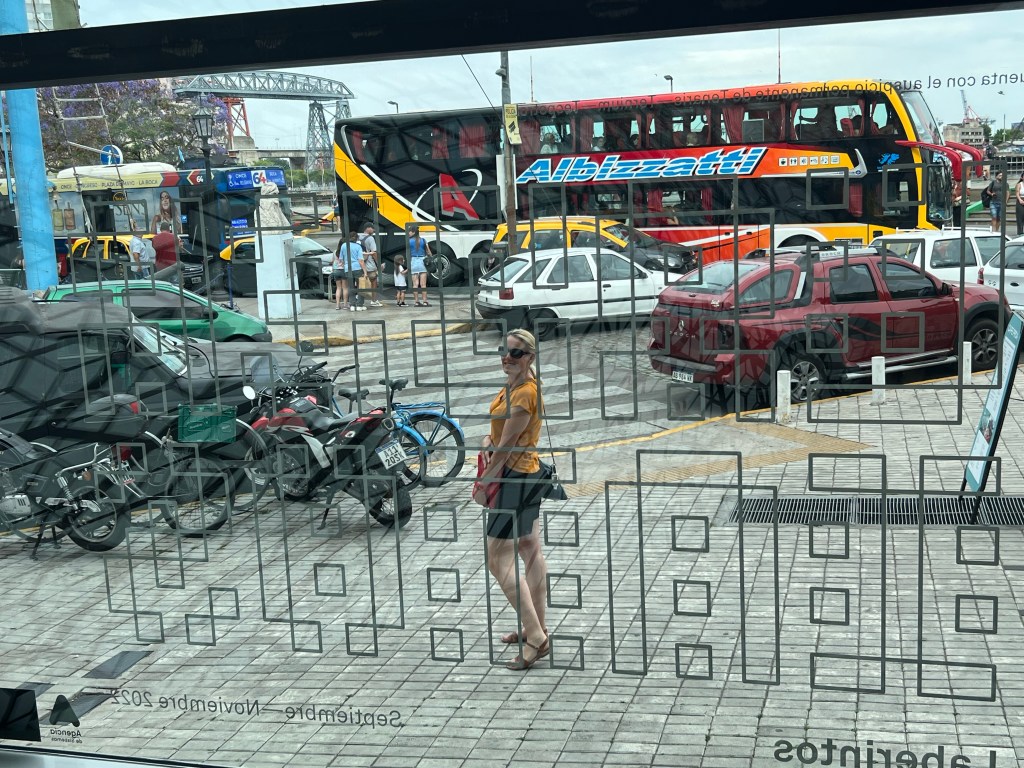
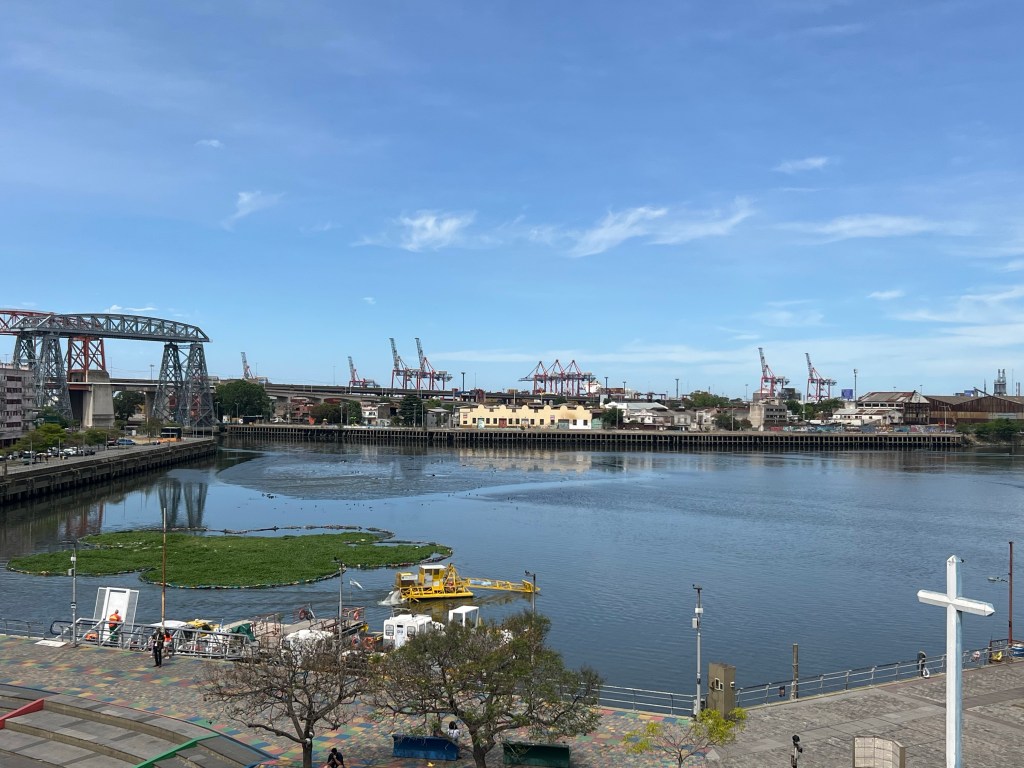
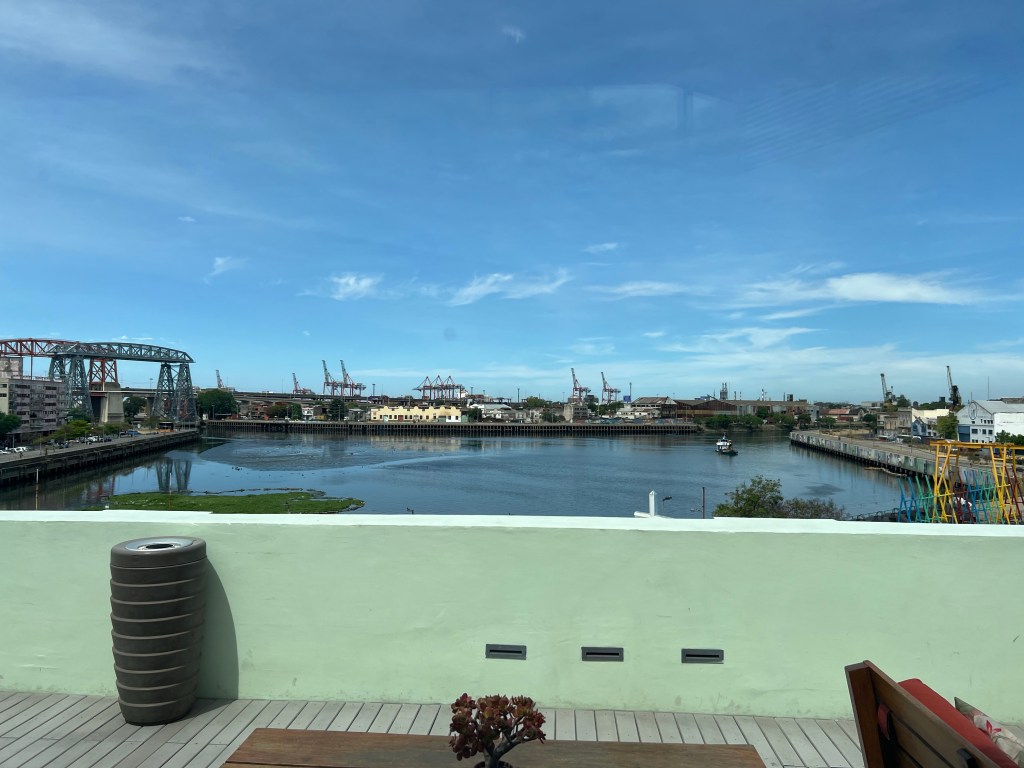
On visiting La Boca the first time I noticed a chic looking building, housing la Fundacion Proa. Something about it attracted me and I reserved a table at the cafe for lunch later that week. The cafe is on the third floor where one can appreciate the beauty of la Boca and the old port without having to be in the sticky scrum of tourists and touts below. After lunch I walked around the artistic exhibition which was about Labyrinths. It looked at labyrinths as a city and then art work that looked at the world as a Labyrinth.



We do prefer tortuous paths to achieve the truth
Nietzsche
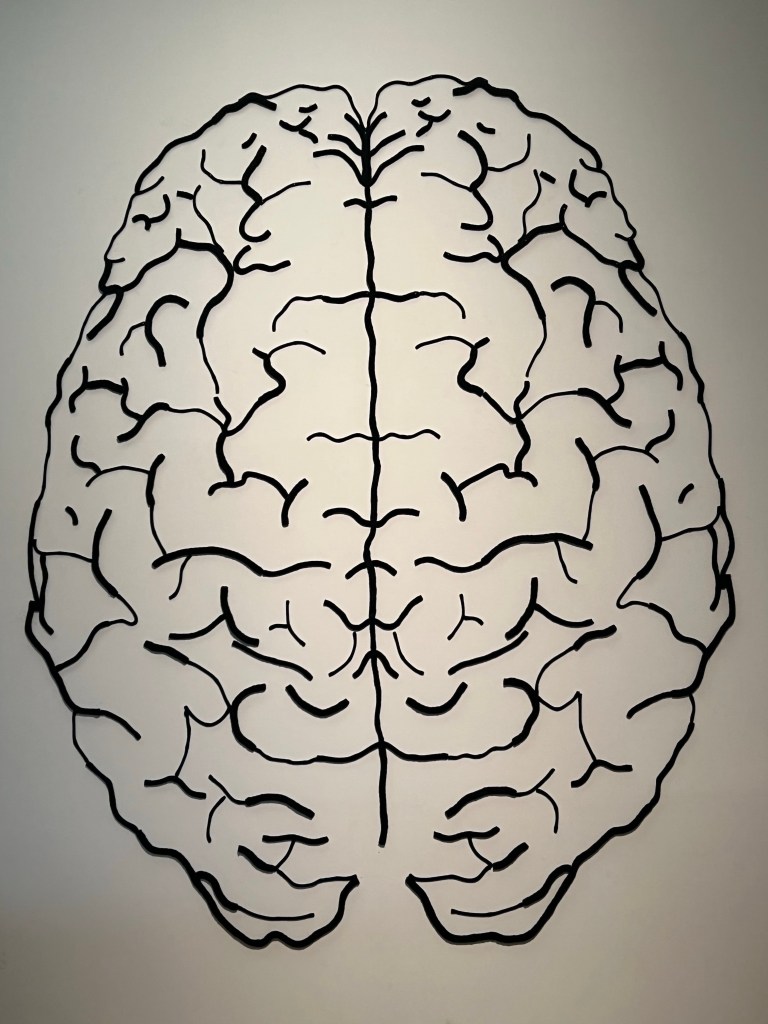
It is movement and stillness at the same time, a metaphor of the worlds complexity. The labyrinth is a topographic range, it’s sacred, pagan, it is the meandering envelope of the unconscious.
Fundacion Proa

Reading
I have been devouring an essay this week :
THE SERVICEBERRY An Economy of Abundance
by Robin Wall Kimmerer
emergencemagazine.org/living-with-the-unknown/futures/
In the presence of such gifts, (…of wild berries…) gratitude is the intuitive first response. The gratitude flows towards our plant elders and radiates to the rain, to the sunshine, to the improbability of bushes spangled with morsels of sweetness in a world that can be bitter
The serviceberry: An economy of abundance. Robin Wall Kimmer
 Ben and Sylvie in South America